
Diamonds That
Tell Stories
Certified lab-grown and natural diamonds, ethically sourced and exquisitely crafted into jewelry that transcends generations.
1 Lakh+
Diamonds
100%
Certified
15yr
Experience
Browse by Cut
Prominent Shapes of Our
Lab-Grown Diamonds
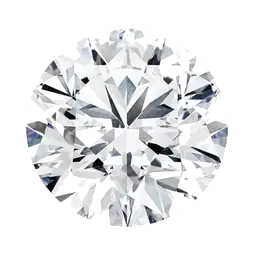
Selected Cut
Round
The timeless classic, renowned for its unmatched fire and sparkle. Its 58 facets maximize light refraction, creating a breathtaking display of brilliance from all angles.
Explore Round Diamonds →
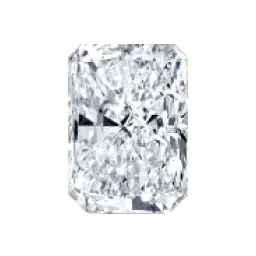

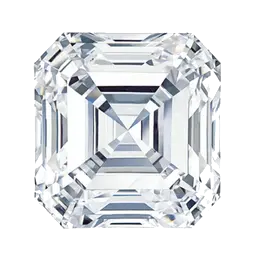
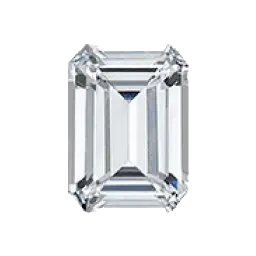
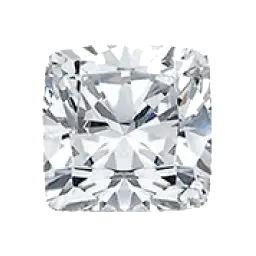
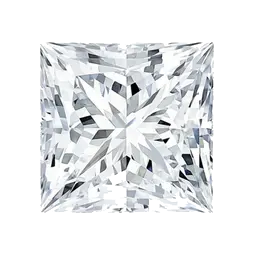
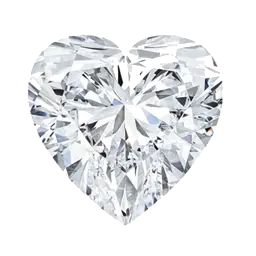
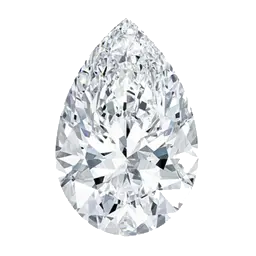
Selected Cut
Round
The timeless classic, renowned for its unmatched fire and sparkle. Its 58 facets maximize light refraction, creating a breathtaking display of brilliance from all angles.
Explore Round →Behind The Stone
How Lab-Grown Diamonds Are Made
A rare process, perfected over decades — watch science and nature converge.
Scroll to play
Education
4 C's of Lab-Grown Diamonds
You have the privilege to select the finest option! Familiarizing yourself with the 4C's of Lab-Grown Diamonds empowers you to select the ideal diamond, ensuring exceptional brilliance and shine.
The 1st C
Cut
The first C in evaluating a diamond, whether natural or lab-grown, is cut. This refers to the way the diamond is fashioned, impacting its brilliance and sparkle. A well-cut diamond maximizes light return, resulting in a dazzling play of light and fire. Round brilliant cuts are the most popular choice for their exceptional sparkle, but there are many other beautiful shapes available, such as oval, cushion, and radiant. Regardless of the chosen shape, a well-cut diamond will showcase its brilliance and beauty to the fullest.

Diamond cut quality chart
The 2nd C
Clarity
Clarity is the second C, and it refers to the purity of the diamond. Natural microscopic characteristics can be trapped within or on the diamond during its formation, and these are called blemishes and inclusions. The fewer imperfections a diamond has, the higher its clarity grade and generally the higher its value. It's important to remember that no diamond is absolutely perfect. However, inclusions that are very small and faint will have minimal impact on the diamond's beauty.

Diamond clarity scale chart
The 3rd C
Color
Color is the third C, and while diamonds are often thought of as colorless, they can possess subtle hues due to trace elements. Colorless diamonds are the rarest and most valuable, while colored diamonds like pink or blue can be valuable depending on the intensity and shade of the color. The GIA uses a D-to-Z color scale to grade diamonds based on hue, tone, and saturation. D represents a virtually colorless diamond, while Z indicates a noticeable yellow tint.

Diamond color scale chart
The 4th C
Carat
The final C is carat, which is the unit of measurement used specifically for diamonds and gemstones. Carat weight refers to the mass of the diamond, not its physical size. This can be a surprising fact, as different diamond shapes can appear larger or smaller at the same carat weight due to variations in density and cut. For instance, an oval diamond might appear larger than a round brilliant diamond of the same carat weight. When considering jewelry with multiple diamonds, the total carat weight (TCW) refers to the combined weight of all the diamonds in the piece.

Diamond carat size chart









Trusted By
Our Certifications
Every diamond we carry is independently graded and certified by a globally recognised laboratory. No exceptions.
GIA
Gemological Institute of America

IGI
International Gemological Institute

HRD
Hoge Raad voor Diamant

SGL
Solitaire Gemological Laboratories
Common Questions
Frequently Asked Questions
Everything you need to know about buying certified diamonds — lab grown and natural — from Diamond SF.
Still have questions? Talk to our team